Top 5 parks and woods in Cluj-Napoca
Forest, botanical garden, lake, a hilltop view and riverside paths along the Someș: five green spaces in Cluj, with practical tips.
- Places
- 5 parks and woods in the city
- Time needed
- from an hour to a full day
- Cost
- mostly free; the Botanical Garden and Babeș Park charge admission
- Good for
- families, runners, long walks, photography
You don't need a car and a day off to get out into nature from Cluj. The city has a forest on the edge of the Grigorescu neighbourhood, a 14-hectare botanical garden ten minutes from the centre, a hill with a panoramic view above the Someș and parks where you can run, row or simply sit on the grass.
We have gathered the official data (area, opening hours, prices) and what visitors say in their reviews for the city's largest green spaces. The order below is not a ranking by Google rating: each place is good for something different, from a full day in the forest to an hour's run between errands.
1. Hoia-Baciu Forest and the “Romulus Vuia” Ethnographic Park
If you want a real forest without leaving the city, this is where to go. Hoia-Baciu Forest covers roughly 295 hectares and stretches across western Cluj, above the valley of the Someșul Mic river. It is a mixed forest of downy oak, hornbeam, lime, maple, pine, and wild apple and pear, with paths that climb and dip over the hills, springs in Valea Lungă and a 12-hectare corner protected under the Natura 2000 network.
The best-known spot is Poiana Rotundă (the Round Clearing), an almost circular clearing on the western side, linked to the tales of UFOs and paranormal phenomena that made the forest famous around the world. The legends have no scientific basis, but the clearing is worth the trip for the quiet and for how it looks in autumn.
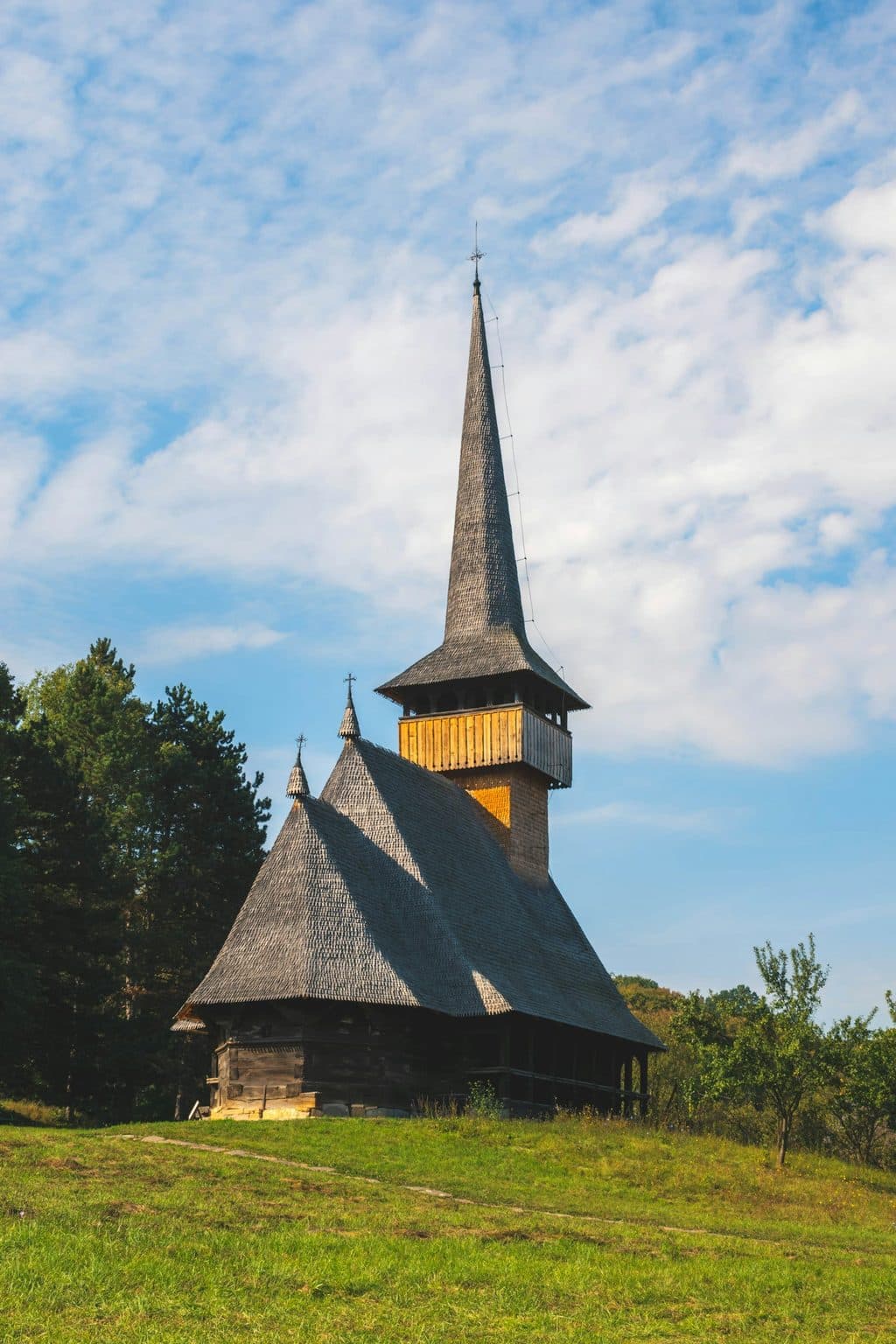
On the edge of the forest lies the “Romulus Vuia” National Ethnographic Park, Romania's first open-air museum, opened in 1929. Its 16 hectares hold peasant farmsteads, workshops and technical installations brought from all over Transylvania. It is open Wednesday to Sunday, with longer hours in summer, and a ticket costs just a few lei. Check the opening hours before you go, as it is closed on Mondays and Tuesdays.
- Access: from the Grigorescu neighbourhood or from the Ethnographic Park area (Aleea Muzeului Etnografic)
- Time needed: 2–4 hours for a walk through the forest and out to Poiana Rotundă
- Difficulty: easy to moderate, with short climbs and paths that turn muddy after rain
- Cost: the forest is free; the Ethnographic Park charges admission
The paths are not waymarked everywhere and branch off often. Download a map of the area to your phone before you set off and don't rely on mobile data alone.
Poiana Rotundă, in Hoia-Baciu Forest on Google Maps
Ethnographic Park on Google Maps
2. “Alexandru Borza” Botanical Garden
Spread over 14 hectares on a slope right next to the centre (Strada Republicii 42), the Babeș-Bolyai University Botanical Garden brings together roughly 10,000 species and varieties of plants. It was founded in 1920 by Professor Alexandru Borza and remains one of the most peaceful places in the city.
This isn't a park you simply stroll through: it is a collection organised into sections. Worth seeing:
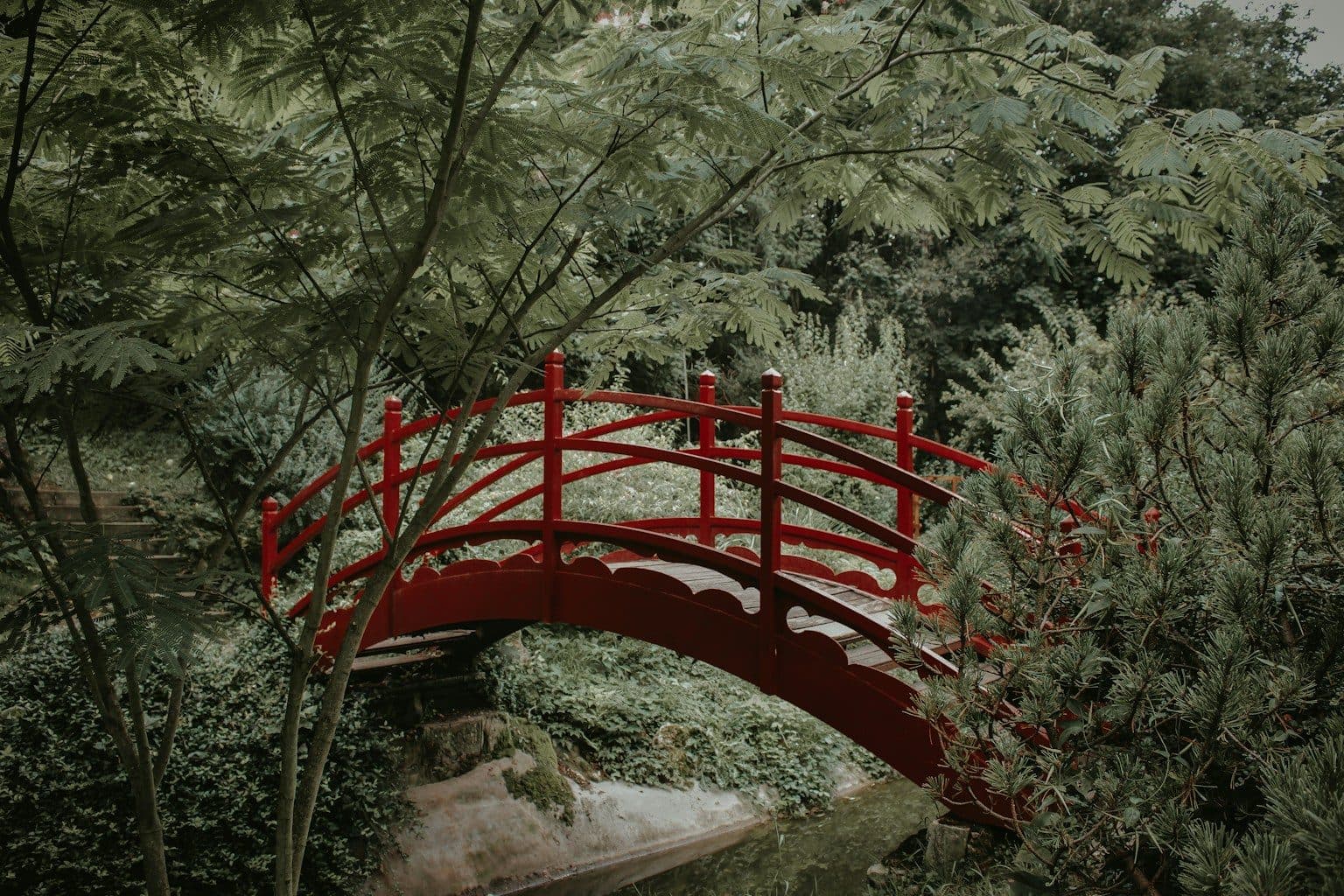
- the Japanese Garden, with its pond of big fish, turtles and ducks, most visitors' favourite
- the greenhouses, with tropical plants, giant cacti, orchids and Amazon water lilies
- the Roman Garden, with archaeological pieces and plants known in Antiquity
- the phytogeographic section, with plants from Asia, the Americas, the Caucasus and the Balkans
- the rose garden, in early summer
In reviews, visitors describe it as “a slice of calm in the middle of the city” and praise the Japanese Garden and the greenhouses above all. Some note that the areas further from the entrance are less well kept, so don't expect a perfectly manicured park throughout.
- Opening hours: daily, until 20:00 in the summer season
- Tickets (2026): 21 lei for adults, 11 lei for children over 3, pupils, students and pensioners; cheaper when the greenhouses are closed
- Family: 48 lei for 2 adults and one child, 56 lei for 2 adults and 2 children
- Time needed: 1.5–3 hours
Come in the morning or, on summer evenings, two hours before closing. The garden is on a slope, so comfortable shoes matter more than you might think.
Botanical Garden on Google Maps
3. “Simion Bărnuțiu” Central Park
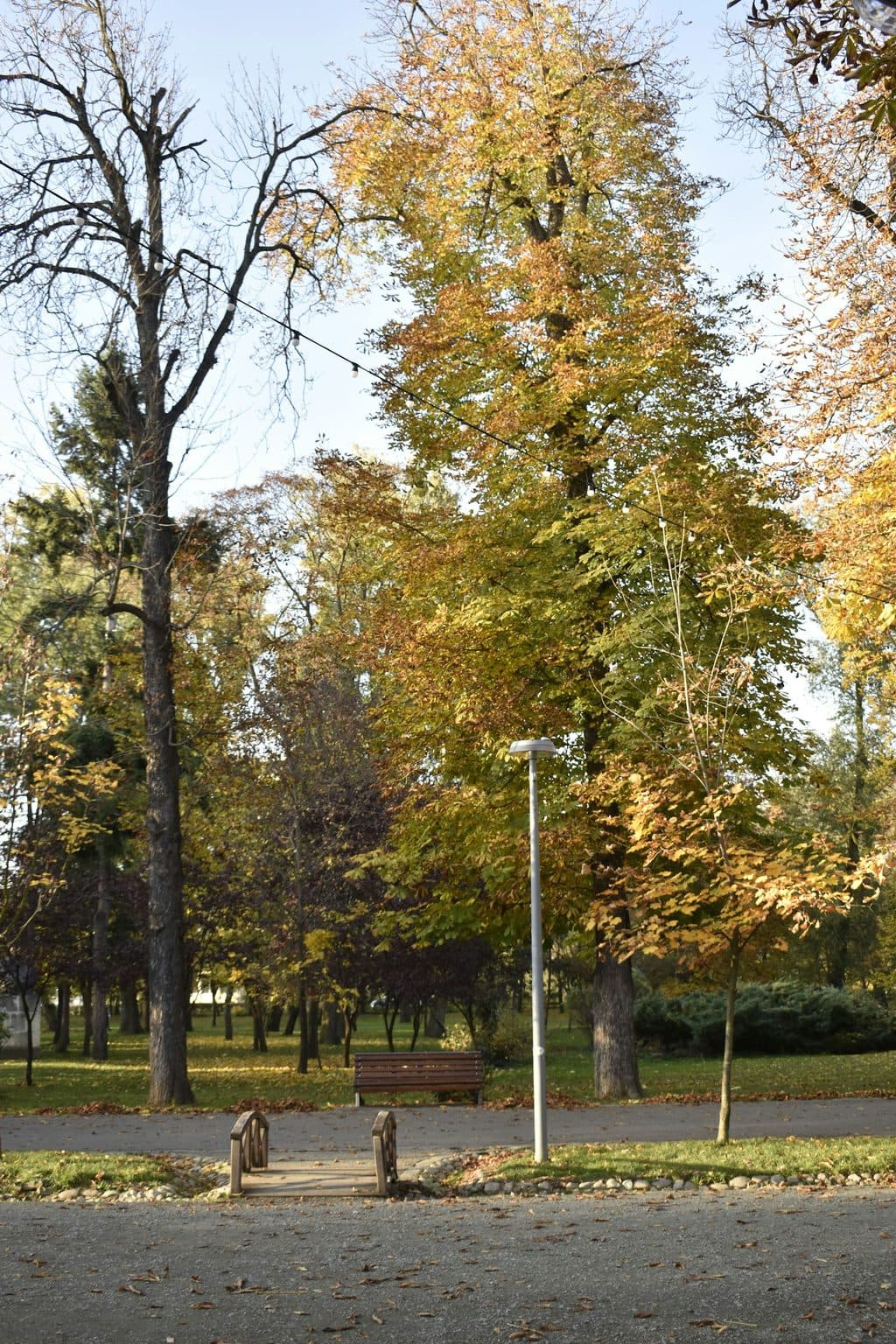
Parcul Mare (the Big Park), as locals call it, is the city's best-loved green space: in the 2023 national ranking of parks by Google reviews it came 4th in the country, rated 4.7 from more than 20,000 reviews. It covers about 13 hectares, between Cluj Arena, the Someșul Mic and the Hungarian Theatre, and has a history going back almost two centuries: the grounds were laid out for promenading as early as 1827.
At the heart of the park lies Chios Lake, dug in 1865, with the island in the middle where Cluj's skaters put up their pavilion in the 19th century. Today you can hire rowing boats and pedal boats, and the Casino building hosts exhibitions and events.
- paths shaded by old trees, good for an hour's walk
- a cycle path and direct access to the riverside paths along the Someș
- playgrounds, basketball courts and hammock areas
- boats on the lake in the warmer months
It is less “wild” than the other places on the list and very crowded on weekend afternoons. If you want some quiet, come early in the morning, when the paths belong to runners and dog walkers.
4. Cetățuia Park
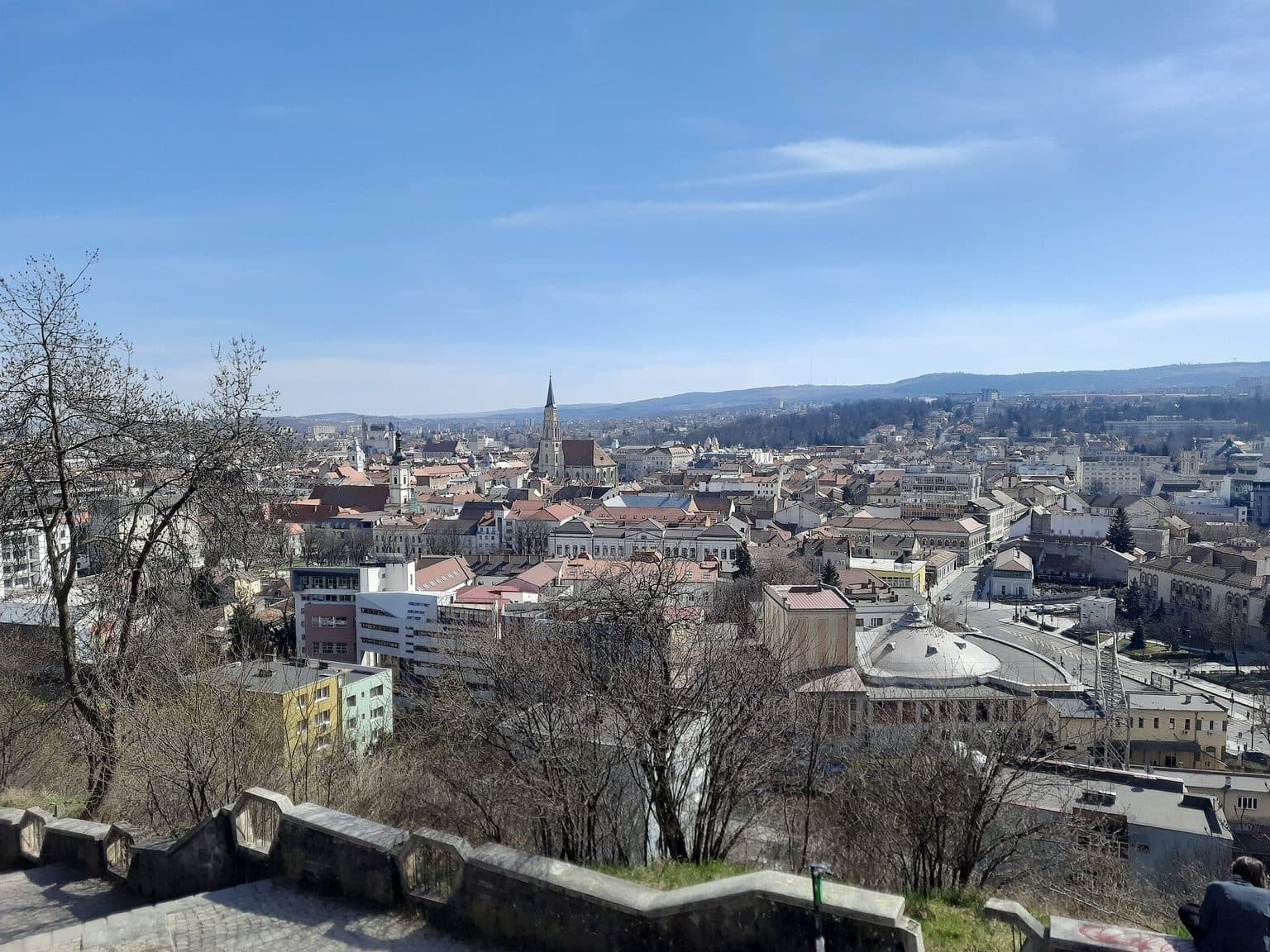
Cetățuia is where you climb to see the city from above. The hill rises to about 405 metres above sea level, and from the plateau you get Cluj's best-known panorama, with the old centre and the spire of St Michael's Church in the foreground. Rated 4.6 from more than 10,000 reviews on Google (2023), it is one of the most popular places in the city.
The hill still has walls and buildings from the star-shaped Habsburg fortress built between 1715 and 1735. It became a park in 1900, and today a cross almost 23 metres tall stands on the hilltop, visible from all over the city.
- Access: by the steps from the Someș riverbank, or along the promenade on the south-eastern side, from the cross
- Time needed: 45 minutes – 1.5 hours, including the climb
- Difficulty: easy, but there are a lot of steps and they are steep
- Cost: free, always open
The best time is sunset: the light falls across the rooftops of the centre and the city gradually lights up. For the walk down in the dark, bring a torch or use your phone's torch on the steps.
5. “Iuliu Hațieganu” University Sports Park (Parcul Babeș)
Babeș Park is the largest landscaped park on the list: 25 hectares along the Someș in the west of the city, established in 1931 by the university rector Iuliu Hațieganu in memory of his son. It belongs to Babeș-Bolyai University and is the campus of the Faculty of Physical Education and Sport, which makes it the favourite spot of Cluj's runners.
- a running track with a proper surface, alongside long paths through the greenery
- sports pitches and a swimming pool
- quieter areas than in the city-centre parks, especially on weekdays
Unlike the other parks, here you pay to get in: 5 lei for the general public, with a monthly pass available. UBB students and staff get in free, and children and students from other universities get a discount. Its Google rating was 4.6 from more than 4,500 reviews in 2023.
Also worth an hour
- Iulius Parc (Lacul Gheorgheni): 3 hectares around the lake, with a raised walkway over the water and a running track. Rated 4.7 on Google (2023), 9th in the country, but it is a neighbourhood park next to a shopping centre, not a nature outing
- Parcul Rozelor (the Rose Park): on the bank of the Someș, easy to combine with a walk along the riverside promenade
- Parcul Detunata: a quiet neighbourhood park in Mănăștur
What to bring
- comfortable shoes; for Hoia-Baciu, shoes with a grippy sole
- water, especially in summer and on Cetățuia, where there is nowhere to buy any on the plateau
- a thin blanket, if you plan to sit on the grass
- a bag for your rubbish
- tick repellent, for the forest and long grass
- a torch, if you are staying for sunset
A weekend plan
Saturday morning: a walk through Hoia-Baciu Forest to Poiana Rotundă, then the Ethnographic Park. Saturday evening: sunset on Cetățuia. Sunday morning: the Botanical Garden, while it is still cool. Sunday afternoon: a stroll through Central Park and a boat on Chios Lake.
Opening hours and prices change from year to year, so check them on the official websites before you set off, especially for the Botanical Garden and the Ethnographic Park.
See what's on outdoors in ClujMore ideas for a trip are in Nature trips, and what is on these days in Cluj-Napoca and around is on the front page.